
Seasonal Guide
Spring Cleanup Checklist for South Shore Homeowners
When to start, what to prioritize, and how to get your property looking sharp before the season takes off.
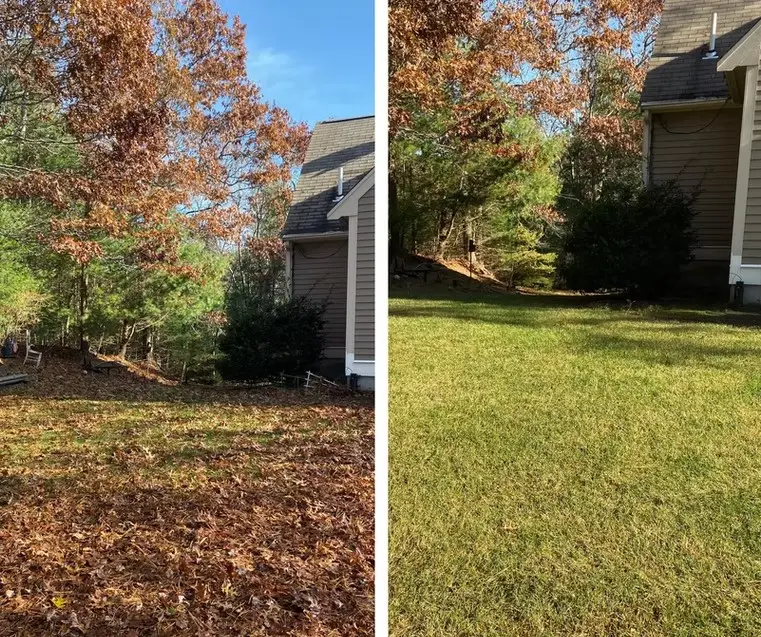
Spring on the South Shore doesn't arrive all at once. It shows up in stages — a few warm days in March, then a cold snap, then mud, then suddenly everything is growing and your yard looks like it was abandoned. The window between "too early" and "already behind" is shorter than you'd think.
Here's a practical checklist for Plymouth, Kingston, Duxbury, and surrounding towns. Not every yard needs every item, but this covers the bases for most residential properties in our area.
Late March to Early April: Assessment & Debris
This is the "walk the property" phase. Don't start cutting or planting yet — the ground is still soft and you'll do more harm than good on a wet lawn.
- Walk the entire property and note what winter left behind: fallen branches, displaced mulch, erosion around downspouts, frost-heaved pavers, dead plants
- Clear branches and large debris from beds, walkways, and the lawn
- Check hardscaping — look at your patio, walkways, and retaining walls for shifting, cracking, or drainage issues that developed over winter
- Inspect gutters and downspouts — clogged gutters dump water against the foundation and saturate planting beds
- Note areas where water pools — standing water in April means drainage work is needed before planting
Mid-April: Beds, Edges & Mulch
Once the ground firms up and daytime temps are consistently above 50°F, it's time to work the beds.
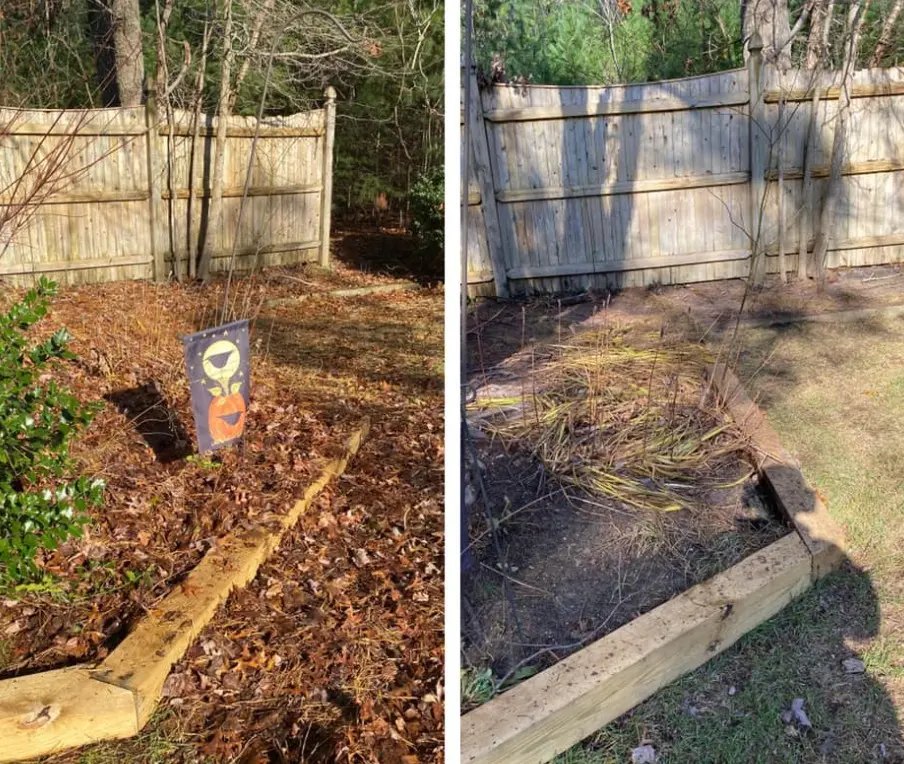
- Cut back perennials and ornamental grasses that were left standing for winter interest — cut to 4-6 inches before new growth starts
- Pull winter weeds before they set seed — chickweed, henbit, and hairy bittercress are the usual suspects on the South Shore
- Edge all bed lines — a clean edge between lawn and bed makes the entire property look sharper immediately
- Apply fresh mulch — 2 to 3 inches in all beds. Pull mulch away from tree trunks and shrub crowns. In Plymouth's sandy soil, mulch also helps retain the moisture that drains through quickly
- Check for winter-killed plants — scratch the bark of woody shrubs with a fingernail. Green underneath means alive. Brown and dry means it's done. Don't rush this — some plants leaf out late
Late April to May: Lawn, Planting & Hardscape Repairs
This is when most of the visible transformation happens. The lawn wakes up, beds get planted, and any hardscape repairs should be addressed before summer entertaining.
- First mow — wait until the grass is actively growing (3+ inches tall). Set the mower high for the first cut (3.5 to 4 inches). Never remove more than one-third of the blade height
- Overseed bare spots — spring is an acceptable time to spot-seed, though fall is better for full lawn renovations. For instant results, consider sod installation
- Apply pre-emergent crabgrass control — timing matters. In our area, apply when soil temperature at 2 inches deep reaches 55°F for 3-4 consecutive days. Usually mid to late April in Plymouth
- Plant new shrubs and perennials — spring planting gives roots a full growing season to establish before winter. Prioritize native and adapted species that handle our sandy, acidic soil
- Repair hardscaping — reset any shifted pavers, re-level stepping stones, fill gaps with polymeric sand. Small repairs now prevent bigger problems by fall
- Schedule recurring maintenance — weekly mowing services book up fast in April and May. If you want consistent service through the season, don't wait until June to call
What to Skip (or Be Careful With)
- Don't fertilize too early. Cool-season lawns on the South Shore benefit most from fall fertilization. A light spring feeding is fine, but heavy nitrogen in April pushes top growth at the expense of root development
- Don't prune spring-flowering shrubs yet. Forsythia, lilac, azalea, and rhododendron bloom on last year's wood. Pruning now removes this year's flowers. Wait until they finish blooming
- Don't power-rake or dethatch unless truly needed. Light raking is fine. Aggressive dethatching damages grass crowns and opens the door for weeds. Most South Shore lawns don't have a real thatch problem
- Don't walk on wet, saturated lawn. In March and early April, foot traffic on soggy turf compresses the soil and damages grass roots. Wait for things to firm up
The Short Version
If you only do four things this spring, do these:
- Clear debris and assess winter damage
- Edge beds and apply fresh mulch
- First mow at 3.5+ inches once grass is growing
- Schedule your seasonal cleanup before the rush
Everything else can be layered in as the season progresses. The key is starting before the rush — most landscaping companies in Plymouth County are fully booked by mid-May.
Want Help With Spring Cleanup?
We handle full spring cleanups across Plymouth, Kingston, Duxbury, Cedarville, Carver, and nearby towns — from debris removal and bed prep to mulch, edging, and first mow. You can request a free quote or use the estimator to get a rough idea of cost before reaching out.